 Image 1 of 1
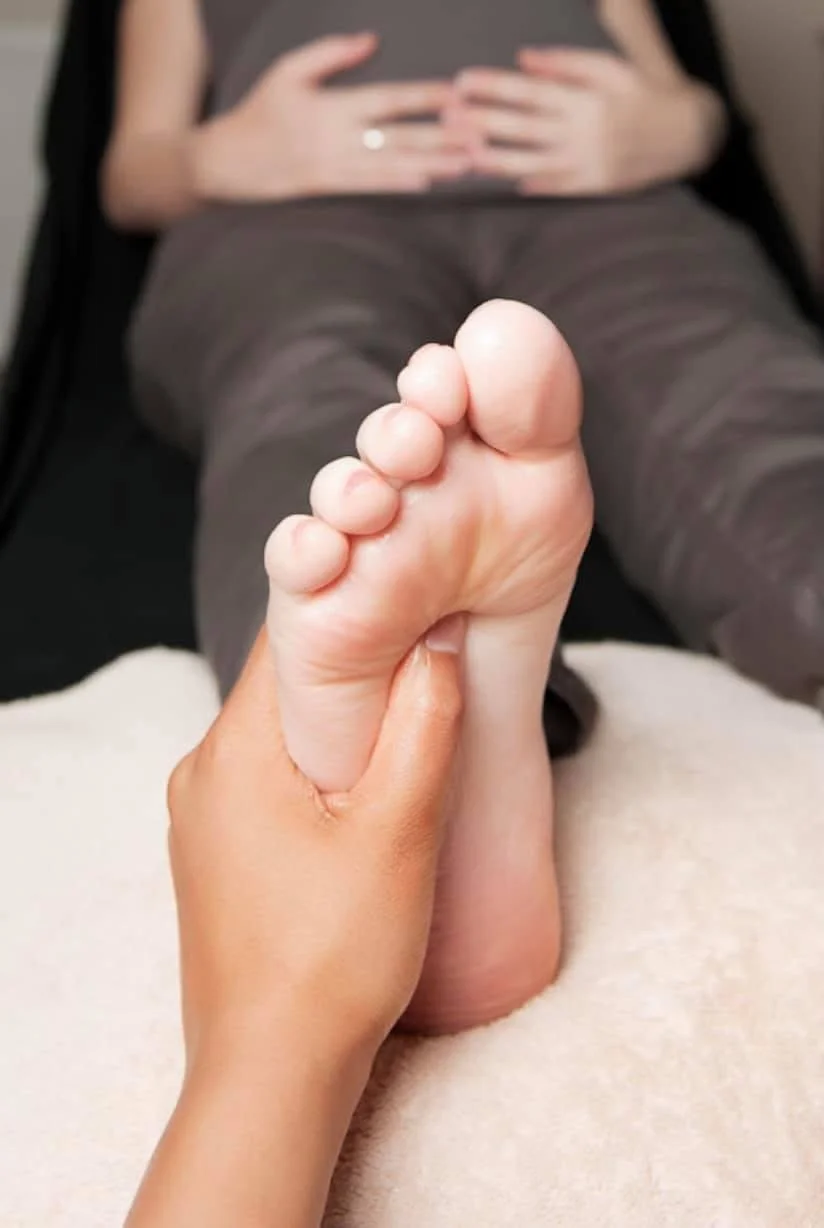
Pregnancy Reflexology is a specialized form of reflexology tailored to support the health and well-being of pregnant women. It focuses on promoting relaxation, reducing stress, and addressing specific pregnancy-related issues.
Benefits of Reflexology During Pregnancy
1. Relaxation and Stress Relief: Helps reduce anxiety and promotes calmness.
2. Pain Relief: May alleviate back pain, leg cramps, and pelvic discomfort.
3. Improved Circulation: Enhances blood and lymph flow, reducing swelling in the legs and feet.
4. Hormonal Balance: Supports hormonal changes during pregnancy and postpartum recovery.
5. Labor Preparation: Certain reflex points may help prepare the body for labor.
Key Reflex Areas for Pregnancy
1. Reproductive Reflex Points: Found on the ankles and around the heel, these points correspond to the uterus, ovaries, and fallopian tubes.
2. Spine Reflex: Along the inner edge of the foot, this area may help with back pain and tension.
3. Digestive Reflex Points: Located in the arch of the foot, these points can address issues like nausea, heartburn, and constipation.
4. Endocrine System: Reflex points for the pituitary, thyroid, and adrenal glands help with hormonal balance.
Techniques for Pregnancy Reflexology
1. Gentle Pressure: Use light to moderate pressure, as pregnant women may be more sensitive.
2. Avoid Trigger Points:
• Reflex points for the uterus (near the inner ankle) should be avoided in early pregnancy.
• Always consult a trained reflexologist to ensure safety.
3. Relaxing Motions: Circular movements and thumb-walking techniques are effective for relaxation.
Reflexology for Labor and Postpartum
• Labor Preparation: In the late stages of pregnancy, specific points may help stimulate uterine contractions and prepare for childbirth.
• Postpartum: Reflexology supports recovery, aids in hormonal regulation, and promotes relaxation for new mothers.
Precautions for Pregnancy Reflexology
• Always consult a doctor or midwife before starting reflexology, especially if there are complications such as high blood pressure, preeclampsia, or preterm labor risks.
Pregnancy Reflexology is a specialized form of reflexology tailored to support the health and well-being of pregnant women. It focuses on promoting relaxation, reducing stress, and addressing specific pregnancy-related issues.
Benefits of Reflexology During Pregnancy
1. Relaxation and Stress Relief: Helps reduce anxiety and promotes calmness.
2. Pain Relief: May alleviate back pain, leg cramps, and pelvic discomfort.
3. Improved Circulation: Enhances blood and lymph flow, reducing swelling in the legs and feet.
4. Hormonal Balance: Supports hormonal changes during pregnancy and postpartum recovery.
5. Labor Preparation: Certain reflex points may help prepare the body for labor.
Key Reflex Areas for Pregnancy
1. Reproductive Reflex Points: Found on the ankles and around the heel, these points correspond to the uterus, ovaries, and fallopian tubes.
2. Spine Reflex: Along the inner edge of the foot, this area may help with back pain and tension.
3. Digestive Reflex Points: Located in the arch of the foot, these points can address issues like nausea, heartburn, and constipation.
4. Endocrine System: Reflex points for the pituitary, thyroid, and adrenal glands help with hormonal balance.
Techniques for Pregnancy Reflexology
1. Gentle Pressure: Use light to moderate pressure, as pregnant women may be more sensitive.
2. Avoid Trigger Points:
• Reflex points for the uterus (near the inner ankle) should be avoided in early pregnancy.
• Always consult a trained reflexologist to ensure safety.
3. Relaxing Motions: Circular movements and thumb-walking techniques are effective for relaxation.
Reflexology for Labor and Postpartum
• Labor Preparation: In the late stages of pregnancy, specific points may help stimulate uterine contractions and prepare for childbirth.
• Postpartum: Reflexology supports recovery, aids in hormonal regulation, and promotes relaxation for new mothers.
Precautions for Pregnancy Reflexology
• Always consult a doctor or midwife before starting reflexology, especially if there are complications such as high blood pressure, preeclampsia, or preterm labor risks.