 Image 1 of 1
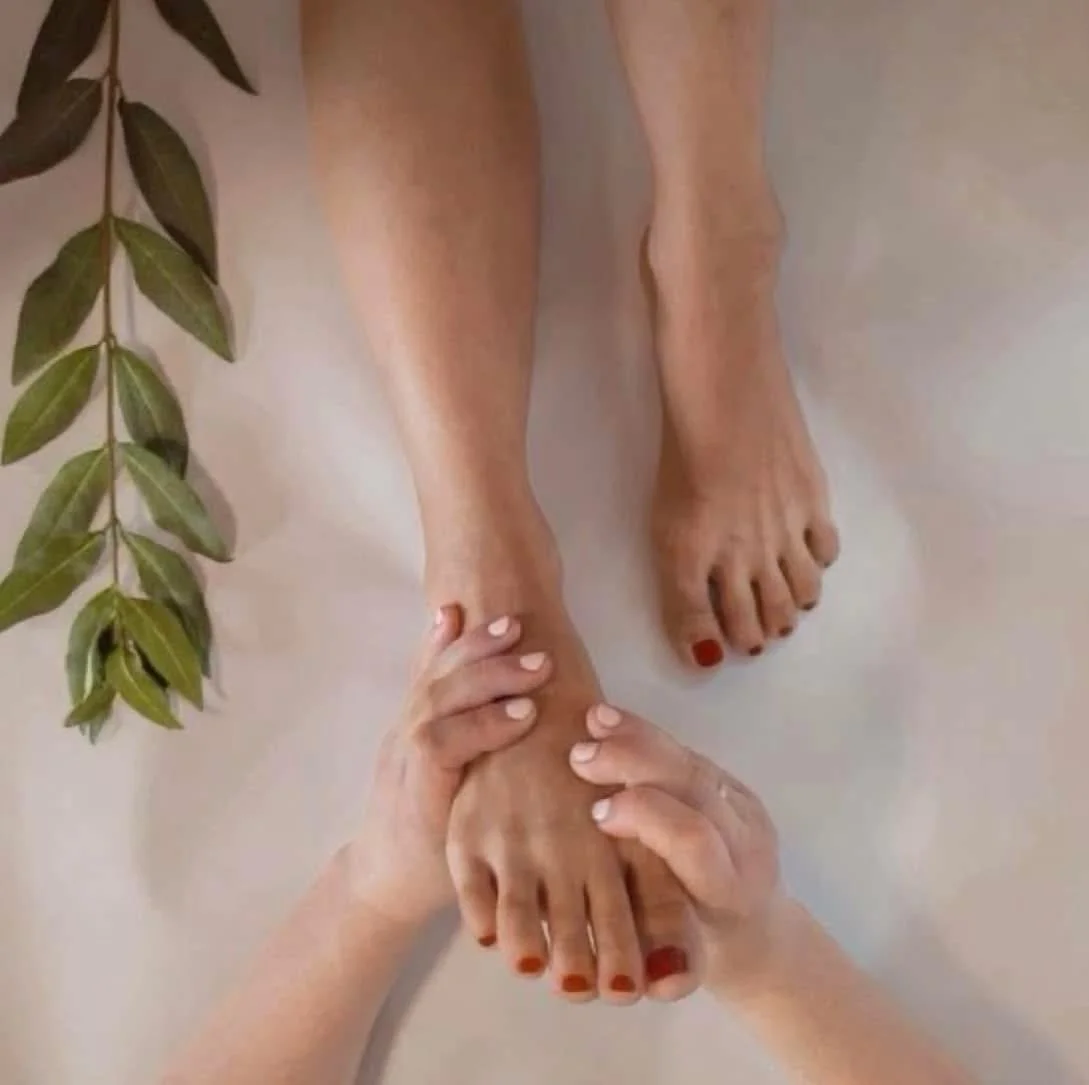
Basic Reflexology is a therapeutic practice that involves applying pressure to specific points on the feet, hands, and ears, which correspond to different organs and systems in the body. The underlying principle is that stimulating these reflex points can promote health and balance in the body.
Principles of Reflexology
1. Zone Theory: The body is divided into ten vertical zones, running from the head to the feet. Each zone corresponds to specific reflex points.
2. Reflex Points: These points are reflect specific organs, glands, and body systems.
3. Energy Flow: Reflexology aims to restore the flow of energy (or “Qi”) through the body.
Basic Reflexology Techniques
1. Thumb Walking: Use your thumb to apply pressure in a walking motion along the reflex zones.
2. Press and Hold: Apply gentle but firm pressure on a reflex point, then release.
3. Circular Motion: Use your thumb or finger to make small, circular movements on a specific point.
Key Reflex Areas
• Feet:
• Toes: Head and neck areas.
• Ball of the Foot: Chest and lungs.
• Arch: Digestive organs.
• Heel: Lower back and pelvic area.
• Hands: Similar layout to feet, with reflex points for major organs and systems.
• Ears: Smaller points corresponding to the whole body.
Benefits of Reflexology
• Stress reduction and relaxation.
• Improved circulation.
• Enhanced nerve function.
• Support for the body’s natural healing processes.
Precautions
• Reflexology should complement, not replace, medical treatment.
• Avoid in cases of infections, open wounds, or severe foot conditions.
• Consult a healthcare provider if you have chronic conditions or are pregnant.
Would you like detailed diagrams or instructions for specific reflex zones?
Basic Reflexology is a therapeutic practice that involves applying pressure to specific points on the feet, hands, and ears, which correspond to different organs and systems in the body. The underlying principle is that stimulating these reflex points can promote health and balance in the body.
Principles of Reflexology
1. Zone Theory: The body is divided into ten vertical zones, running from the head to the feet. Each zone corresponds to specific reflex points.
2. Reflex Points: These points are reflect specific organs, glands, and body systems.
3. Energy Flow: Reflexology aims to restore the flow of energy (or “Qi”) through the body.
Basic Reflexology Techniques
1. Thumb Walking: Use your thumb to apply pressure in a walking motion along the reflex zones.
2. Press and Hold: Apply gentle but firm pressure on a reflex point, then release.
3. Circular Motion: Use your thumb or finger to make small, circular movements on a specific point.
Key Reflex Areas
• Feet:
• Toes: Head and neck areas.
• Ball of the Foot: Chest and lungs.
• Arch: Digestive organs.
• Heel: Lower back and pelvic area.
• Hands: Similar layout to feet, with reflex points for major organs and systems.
• Ears: Smaller points corresponding to the whole body.
Benefits of Reflexology
• Stress reduction and relaxation.
• Improved circulation.
• Enhanced nerve function.
• Support for the body’s natural healing processes.
Precautions
• Reflexology should complement, not replace, medical treatment.
• Avoid in cases of infections, open wounds, or severe foot conditions.
• Consult a healthcare provider if you have chronic conditions or are pregnant.
Would you like detailed diagrams or instructions for specific reflex zones?